
Why I created The HelpHUB™
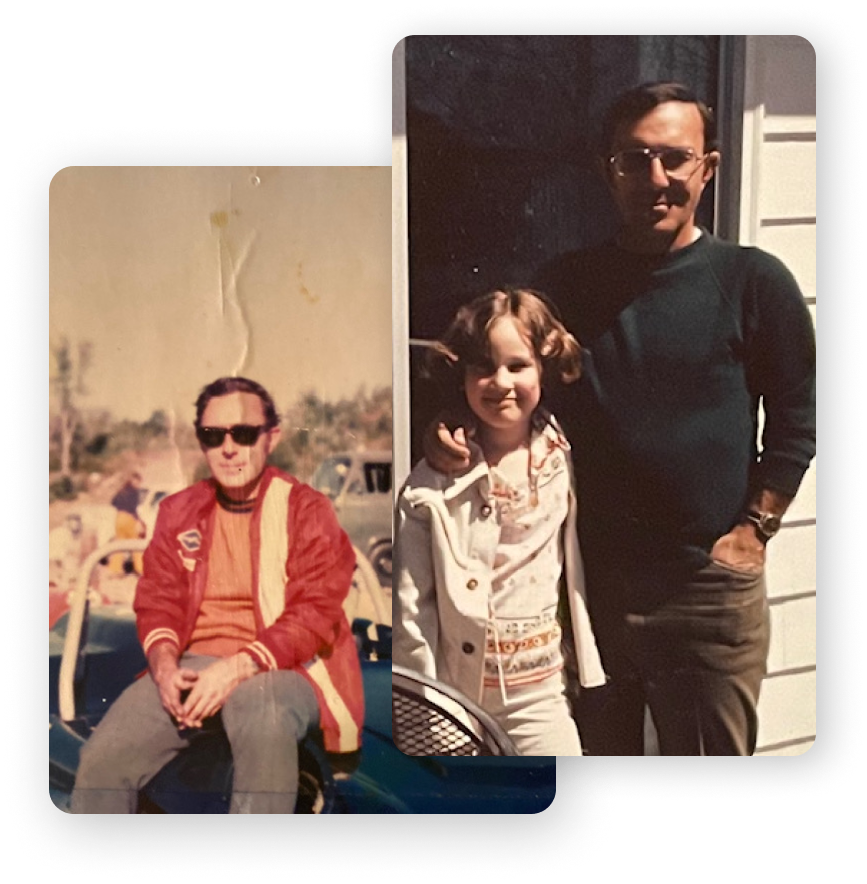
There’s a lot we have to survive in this life.
Some of it we see coming. Some of it blindsides us completely.
My story is about the things we never expect—the kind of loss that changes everything and forces you to rebuild from the inside out.
I lost my dad, Jim, to suicide in the summer of 1978—two weeks after my tenth birthday. But I didn’t learn the truth until I was forty-five years old. For thirty-five years, I believed he’d died of a heart attack. So in many ways, I lost him twice—once as a child, and again as an adult discovering what really happened. Two very different kinds of losses. Two very different kinds of grief.
Coming to terms with my father’s death meant facing the reality that the man I loved most in the world was also someone who was deeply unwell and suffering in silence. He was struggling at a time when mental illness was considered shameful and rarely talked about. He couldn’t be saved. But others can. And that’s why I’m here.
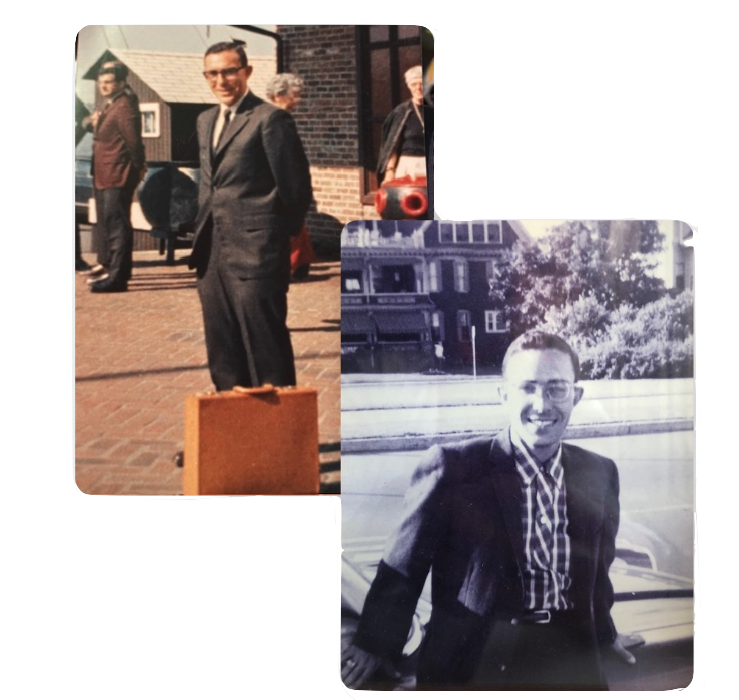
Over the last decade, I’ve learned that suicide loss is a uniquely complex kind of grief. It’s sudden and disorienting, and it leaves behind endless questions that often have no answers. Survivors like me are left to carry heartbreak, confusion, guilt, and stigma—all while trying to make sense of something that rarely makes any sense at all.
So I’ve dedicated my life to changing that.
I’ve turned my pain into purpose—as a mental health advocate, as the Founder of The HelpHUB™, as a storyteller, and as a crisis counselor with The Trevor Project, the country’s largest suicide and crisis support network for LGBTQ+ youth.

Now, my mission is to create spaces where no one has to suffer in silence, where people can find the resources and help they need, and where stories of loss can evolve into stories of survival and hope.
And that’s why I founded The HelpHUB™—to connect people with the resources, tools, recovery options, and real-world content they need, exactly when they need it most. So no one ever has to go searching in the dark for help that should’ve been easy to find all along.
Because when we talk about suicide and mental health openly and without shame, we remind people that they’re never alone, that healing is possible, and that help is always out there.